

 News
News 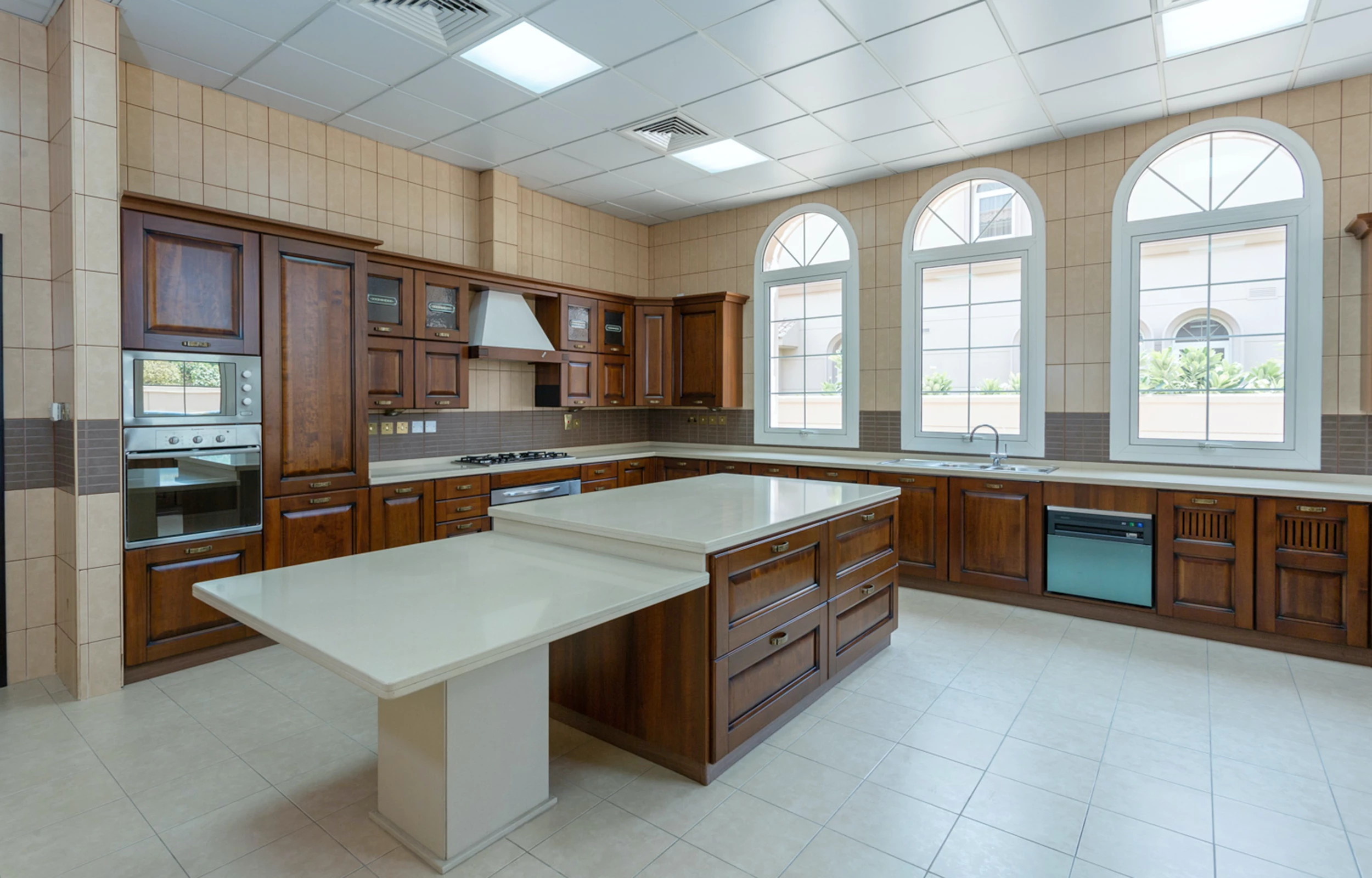
- By WalkThru Media
- 04 Aug, 2026
Two things need to be settled before any property photography for marketing begins: who authorised the shoot, and what is allowed to appear in the images. Neither is complicated, and both are much harder to fix after the pictures are on a portal.
Authorisation comes before the camera
Photographing a property for marketing requires the owner's authority to market it. In Dubai that authority is established through the signed agreement between the owner and the brokerage, and it is what allows the property to be advertised at all. The photographs are part of that advertising.
For the shoot itself this means the instruction should come from the party that actually holds the mandate. A photographer booked by someone without the authority to market the property creates a set of images that cannot legitimately be published, which helps nobody.
Where a property is jointly owned, or held by a company, or managed on behalf of an overseas owner, it is worth confirming in advance that whoever is instructing the shoot is entitled to do so. This is routine, and it is a five-minute check rather than a legal exercise.
Tenanted properties
A tenanted property adds a second set of interests. The tenant has a right to quiet enjoyment of the home and a reasonable expectation of privacy, and their possessions are in every room you are about to photograph.
Give proper notice, agree a time, and be explicit that the images will be published publicly. Most tenants are cooperative when asked properly and resistant when a photographer arrives unannounced. It is also in everyone's interest that the tenant has had the chance to put personal items away, because otherwise that job falls to the photographer on the day.
What comes out of frame
The working rule is that a listing photograph should show the property, not the people in it. Anything that identifies an individual should be out of the frame or removed before publication.
That includes photographs of people on walls and shelves, documents and post with names and addresses, prescriptions and medical items, certificates and diplomas, children's photographs and schoolwork, calendars with names on them, and screens showing personal content. Vehicle number plates in driveway and exterior shots should be handled the same way.
Valuables are a separate consideration and a practical one. Jewellery, watches, cash, art and electronics photographed in detail and published publicly tell a very large audience what is in the property and where it is kept. Move them out of frame.
Removing it in the room beats removing it in the edit
It is always better to take an item out of the room than to retouch it out of the photograph. Retouching costs time, and it can leave artefacts that look worse than the object did, particularly against patterned surfaces or in reflections.
Reflections are the detail most often missed. Mirrors, glass cabinet doors, television screens, polished floors and window glass at night all reflect things that are not in the direct frame, including the photographer, other rooms, and whatever was moved just out of shot. It is worth a deliberate check of the reflective surfaces in every room before the shutter, rather than a surprise in the edit.
After publication
Listing images propagate. They are syndicated to portals, aggregated by other sites, copied into social posts and cached by search engines. Removing an image from your own listing does not remove it from everywhere it has already travelled. That is the practical reason to be careful before publication rather than reactive afterwards.
How we work
Our property photography includes a walkthrough before shooting to clear personal and identifying items from each room, and a check of reflective surfaces before the frames are taken. Where something cannot be moved, it is handled in the edit. We shoot for brokerages and owners across Dubai and Abu Dhabi, including Downtown Dubai and Dubai Hills Estate.
Common areas, amenities and the building itself
Buyers ask about the pool, the gym, the lobby and the parking, so those spaces usually belong in the set. They are also not the property being sold, and they are frequently controlled by a building management or owners association with its own rules about photography.
In practice that means asking before shooting rather than after. Many buildings require notice, some require a permit or an escort, and a few prohibit photography in common areas entirely. Turning up and shooting the lobby without asking is the fastest way to have a security team end a shoot that was otherwise going well.
Residents in shared spaces raise the same privacy consideration as occupants inside a unit. A gym with people in it, or a pool deck in use, should be shot at a quiet hour rather than fixed afterwards.
Exteriors and aerial imagery
Photographing a building from outside is generally straightforward from public ground. Aerial imagery is not, and it is worth being clear about the difference. Drone flight in the UAE is regulated, and permissions depend on the airspace, the location and the operator, with additional approvals required near airports and in many controlled zones. This is not something to improvise on the day of a shoot.
If aerial imagery is part of what you need, it has to be planned in advance with the appropriate permissions in place. Where those are not available for a location, a high floor in a neighbouring building often gives an elevated view that answers the same question.
Keeping a record
Note who instructed the shoot, when, and for which property. When an image is queried months later, and occasionally they are, that record answers the question in a minute rather than an afternoon.
Requirements set by the Dubai Land Department and RERA are updated periodically. For the current position on marketing authority and advertising obligations, confirm with the Dubai Land Department or your brokerage's compliance team rather than relying on a summary.