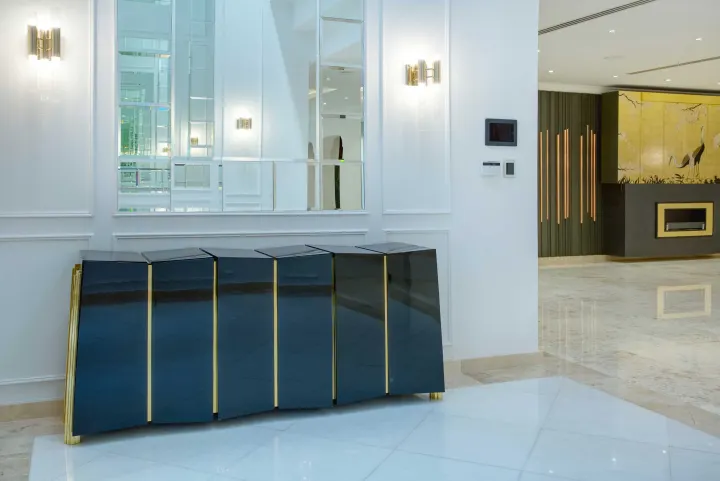
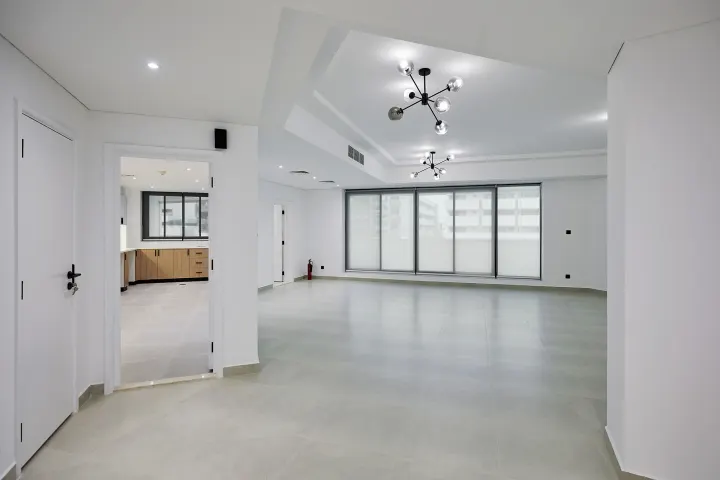
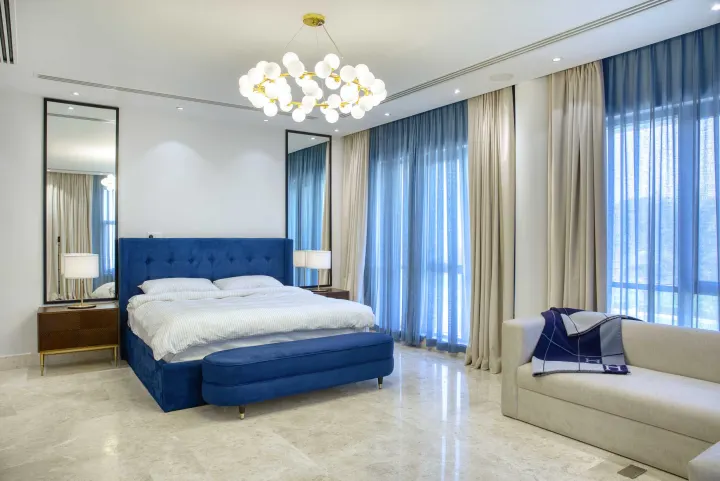
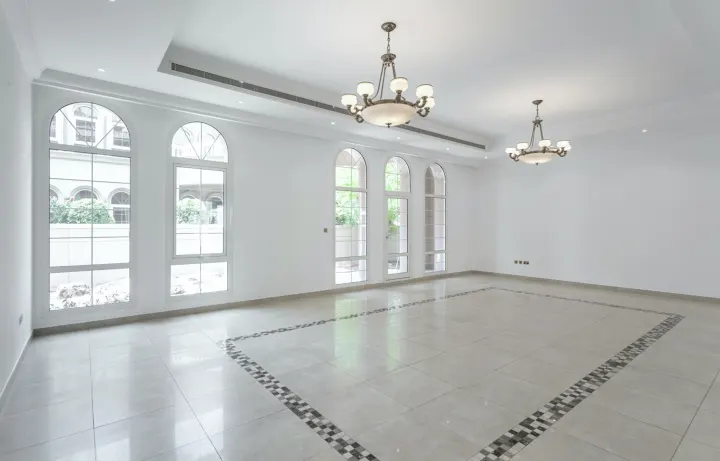
A standard residential shoot delivers 20 to 35 fully edited high-resolution images depending on property size and room count. Two-bedroom apartments typically receive 20 professionally retouched photos, while large luxury villas receive 40 to 60 images covering interior and exterior features. Photographers capture multiple angles of main living areas, bedrooms, kitchens, bathrooms, and exterior amenities. All delivered files are formatted for web portals and high-definition print brochures.

Loading 0%
Contact Info
Phone
Email
Location
Khaleej Center, Office 713, Dubai, UAE
Contact Info
Phone
Email
Location
Khaleej Center, Office 713, Dubai, UAE

From AED 199 Final quote depends on scope, volume and turnaround. Get a quote on WhatsApp
WalkThru Media is a real estate photography studio in Dubai working with agents, brokers and developers. We shoot bright, accurate HDR interiors and exteriors that make listings stand out on Bayut, Property Finder and Dubizzle, and we turn most shoots around in 24 to 48 hours.
Strong photography is the first thing a buyer sees. In a crowded Dubai feed, clean and well lit images earn the click, the enquiry and the viewing.
What you get
- HDR interior photography that keeps the room and the window view exposed
- Exterior and community shots, including twilight where it suits
- Portal ready sizing and consistent editing
- Optional floor plans, 360 tours and video
Property types we photograph
- Villas and townhouses
- Apartments and penthouses
- Off plan handovers and show units
- Commercial and office space
Add 360 tours and floor plans
Photography pairs naturally with a 360 virtual tour and measured floor plans, so buyers can see, walk and measure the space from one listing.
How much does real estate photography cost in Dubai?
It depends on the property size and the deliverables, for example photos only or photos with a tour and floor plan. Send the details for a fixed quote.
How fast is delivery?
Most shoots are delivered within 24 to 48 hours, edited and portal ready.
Do you photograph occupied properties?
Yes. We work respectfully around tenants and owners and follow RERA and privacy good practice.
Which areas do you cover?
Across Dubai and the wider UAE.
Where we deliver Real Estate Photography
We cover every major community in Dubai and Abu Dhabi, usually within 24 to 48 hours of booking.
 Before you book
Questions about Real Estate Photography.
-
01. How many edited photos will I receive for a residential listing?
-
02. What camera equipment and lighting techniques do you use?Photographers use full-frame digital cameras paired with professional ultra-wide-angle lenses and high dynamic range bracketed exposure techniques. We combine ambient light with off-camera flash units to balance interior room shadows with bright exterior window views accurately. Standard editing processes include perspective correction, vertical line straightening, and natural color balancing. This approach prevents blown-out exterior windows and highlights architectural craftsmanship without artificial color distortion or visual noise.
-
03. Do you shoot twilight or golden hour real estate photography?WalkThru Media offers dedicated twilight and golden hour photography sessions to showcase exterior building lighting and skyline sunset views. Twilight shoots take place during the 30-minute window after sunset to capture warm interior lighting against rich blue sky backgrounds. This service highlights outdoor pools, garden landscaping, architectural facade lighting, and high-rise balcony views. Twilight photography booking requires advance scheduling to align with daily astronomical sunset schedules across Dubai.
-
04. Are drone aerial photographs included in real estate packages?Aerial drone photography can be added to any real estate photography package or booked as a standalone service. Licensed drone operators capture high-resolution aerial stills and video clips showcasing plot boundaries, community layouts, and surrounding landmarks. All flights comply with General Civil Aviation Authority rules and require commercial permits from the Dubai Film and TV Commission. Aerial deliverables are processed and delivered within the standard 24 to 48 hour turnaround window.
Our clients
Trusted by developers, agencies &
Trusted by developers, agencies &
property owners across the UAE.
A few of the teams we work with, from launch campaigns to live listings.