

 News
News 
- By WalkThru Media
- 31 Jul, 2026
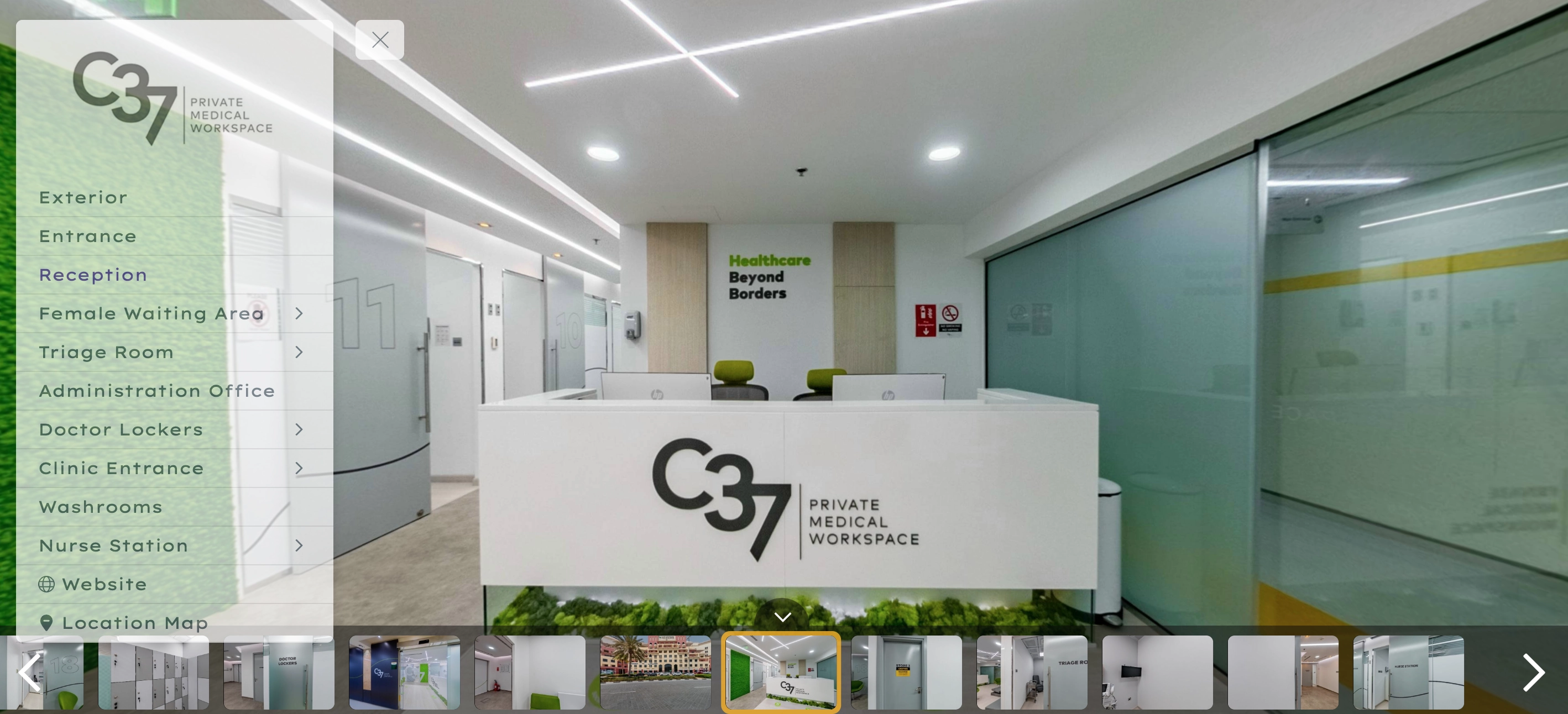
A Street View interior puts the inside of a business into Google Maps, so someone looking at the listing can walk through the space before deciding to visit. For businesses where the decision to visit depends on what the place is like, it changes the listing from an address into a preview.
Which businesses it actually helps
The benefit is not evenly distributed, and it is worth being honest about that.
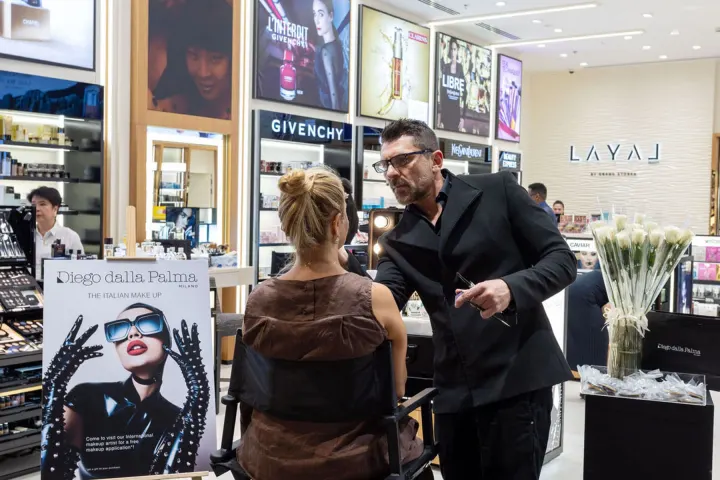
It helps most where the space is the product or a major part of it: showrooms, restaurants, salons, clinics, gyms, hotels, event venues, galleries and retail with a considered interior. A customer choosing between three clinics wants to know which one feels reassuring, and no amount of description does that job.
It helps least where the space is incidental. A business whose customers never visit, or whose premises are a generic office, gains very little from letting people walk through it.
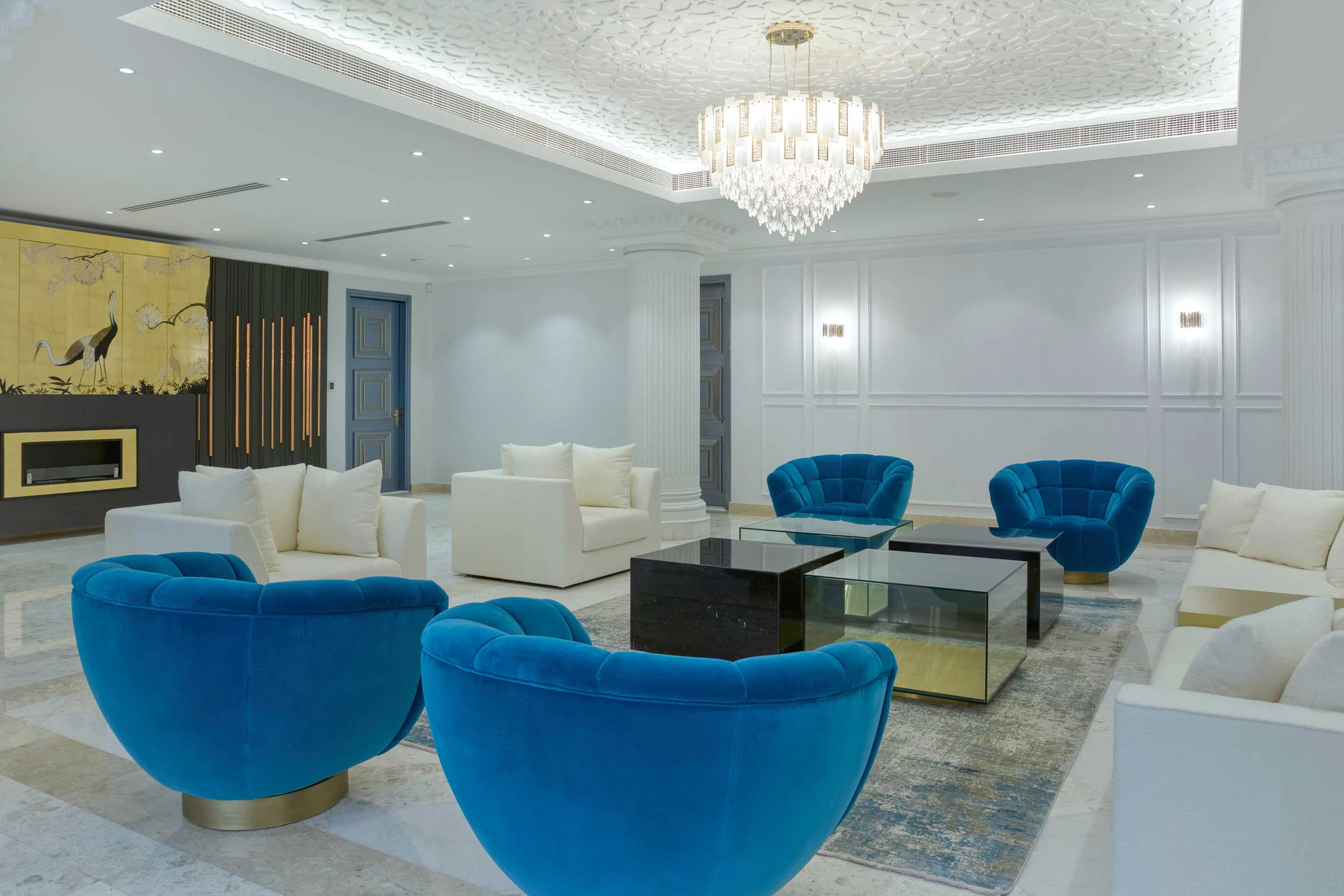
It also helps disproportionately where the interior is better than the exterior implies, which is common in Dubai: an unremarkable entrance in a tower or a mall unit that opens into something considerably more impressive.
What Google requires of the imagery
Published imagery has to meet Google's standards for connected, correctly positioned 360 photography. In practice that means several things.
The capture points need to be close enough together to connect into a walkable path. Too far apart and the tour jumps rather than flows. The imagery must be correctly aligned so that north in the photograph is north in reality, otherwise the tour is disorienting and the connections between points make no sense.
It must be genuine, current photography of the actual premises, without people identifiable in it. Faces and number plates need to be handled, and it is far better to capture when the space is empty than to fix it afterwards.
The imagery must connect sensibly to the entrance so that a viewer arriving from the street imagery outside can move inward, which is what makes it feel like part of the map rather than a detached gallery.
Getting the business profile right first
The imagery attaches to a Google Business Profile, and the value depends on that profile being correct and verified. If the pin is in the wrong place, the hours are wrong or the category is inaccurate, the tour is decoration on a listing that is already misinforming people.
The pin position matters more than people expect in Dubai, where towers, malls and mixed-use developments make a single street address ambiguous. A pin that drops customers at the wrong entrance of a large development creates a poor first experience that a beautiful interior tour does nothing to fix.
So the sequence is: verify and correct the profile, then publish the imagery.
What to expect afterwards
Published imagery appears on the business listing in Maps and in Search, and viewers can move through the space from the listing. Google decides how and where imagery surfaces, and that behaviour changes over time.
It is worth being clear about what this is and is not. Street View imagery is a strong signal of a complete, well-maintained business profile, and it gives customers a reason to choose you over a listing with three photographs. Anyone promising specific ranking improvements from publishing 360 imagery is guessing.
Capture in practice
Shoot when the space is clean, lit as customers will see it, and as empty as it can be. Occupied spaces mean privacy work afterwards. Where a venue has distinct areas, treat each as a place worth standing in rather than trying to cover everything from a corridor.
Keeping imagery current
Interior imagery dates in a way that exterior street imagery does not. A refurbishment, a rebrand, a change of layout or a seasonal fit-out makes the published tour wrong, and a customer who arrives expecting what they walked through has a worse experience than one who arrived with no expectation at all.
Treat the imagery as something with a refresh cycle rather than a one-off. The natural triggers are any significant change to the space, a rebrand, or a change of use in part of the premises. For a restaurant or a showroom that changes its display regularly, the imagery should show the permanent character of the space rather than a temporary arrangement that will be gone in a month.
Multi-level and multi-tenant spaces
Malls, towers and multi-floor showrooms are where interior imagery is most useful and hardest to get right, because the value is in helping someone navigate rather than just look.
Vertical transitions are the difficulty. A viewer moving through a two-floor showroom needs the connection between levels to make sense, which means capturing the stair or lift landing on both floors so the transition has somewhere to attach. Skipping it leaves two disconnected tours that happen to belong to the same business.
In a mall unit, the entrance connection matters more than anything inside. A customer is usually trying to find you from the mall walkway, so the imagery should start where they will be standing.
What to prepare before capture
Clean the space and light it the way customers see it in the evening rather than with the working lights on. Remove anything you would not want permanently visible on a public map: internal signage, staff areas, stock, price lists that will change, and anything with personal information on it. Plan for the space to be as empty as possible, since people in the imagery mean privacy work afterwards and a return visit if a face cannot be handled cleanly.
Our Google Street View publishing covers capture, alignment, privacy handling and publication to your Business Profile, with the entrance connected so viewers can move from the street into the space. We publish for businesses across Dubai and Abu Dhabi, including Downtown Dubai and Deira. Where a business also wants a tour it controls and can embed on its own site, a 360 virtual tour covers that, and the two are usually captured in the same visit.