





 News
News 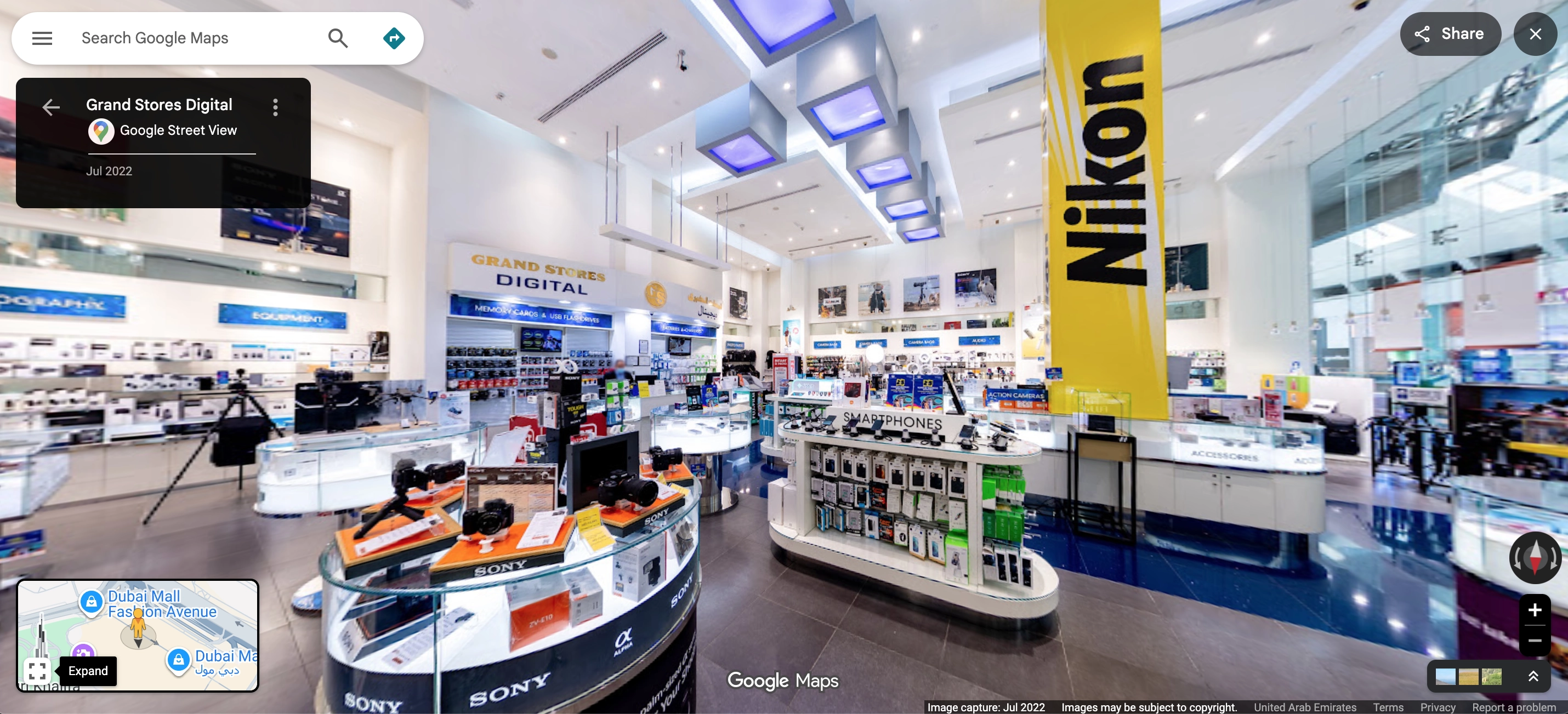
- By WalkThru Media
- 30 Jul, 2026
A property brokerage has an awkward relationship with local search. The searches that matter are about areas and property types, not about your office, and almost nobody chooses a brokerage by walking in off the street. Yet the Business Profile is often the first complete description of the firm a prospective client sees.
What the profile is actually doing
It is doing two jobs, and they are easy to confuse.
The first is winning searches for your own name. Someone has been given your firm's name, or seen it on a board, and searches it. What they find is the profile: reviews, photographs, hours, location, and whether it looks like a real, active business. This is the job the profile does best and it is the one most worth optimising for.
The second is appearing in unbranded local searches, such as a search for a real estate agency in a particular community. This is far more competitive and far less within your control, and it is where most of the disappointment with local SEO comes from.
Fix the basics before anything else
An accurate, complete profile beats an incomplete one with clever additions bolted on.
Get the category right, and be specific rather than broad. Get the pin in the right place, which in Dubai means checking that it drops people at the correct entrance of the correct tower rather than somewhere in the general vicinity of the development. Get the hours right, including the days you are actually closed. Make the phone number one that a person answers.
Then the photographs. Not stock imagery, not a rendering of the building, but the actual office, the actual team, and the work. For a brokerage the work is the properties, and photographs of the properties you market are a more persuasive advertisement for your firm than a photograph of a meeting room.
Reviews are the part that moves the needle
For a service business chosen on trust, reviews carry more weight than anything else on the profile. The number matters less than the pattern: recent, specific, and answered.
Recent matters because a profile whose most recent review is two years old reads as a business that has stopped asking, or stopped caring. Specific matters because a review that names the agent and describes the transaction is credible in a way that a five-star rating with no text is not. Answered matters because responses are visible to everyone who reads the review afterwards, and a considered reply to a critical review does more good than the review did harm.
Asking is the whole mechanism. Most satisfied clients will leave a review if asked directly at the point the transaction completes, and almost none will do it unprompted weeks later.
What Street View imagery adds
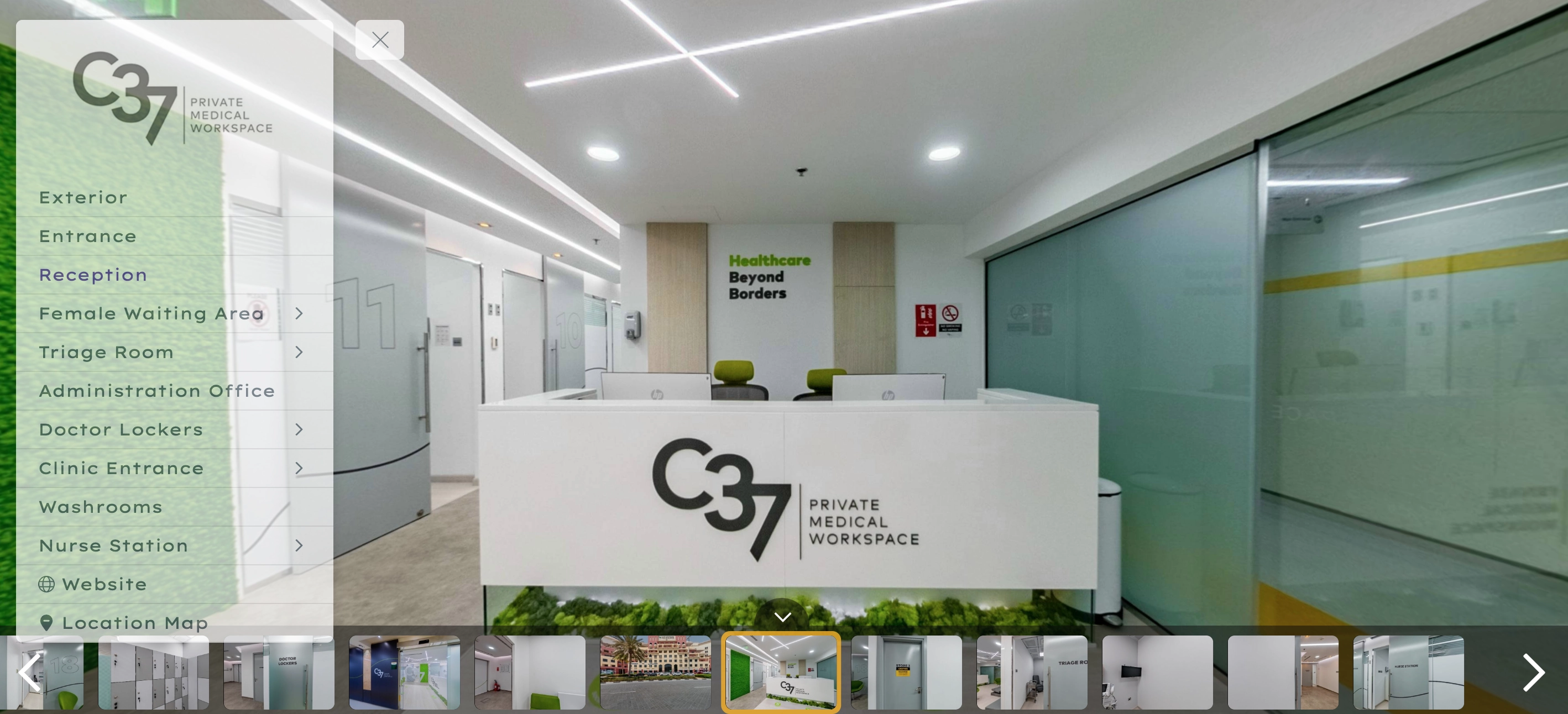
For a brokerage the office interior is a modest asset, because clients rarely visit. It is worth publishing if the office is genuinely impressive or if you meet clients there, and not worth much otherwise.
The stronger use is on the properties and premises you market, particularly commercial units, retail space and venues. That imagery lives on those locations rather than on your profile, and it demonstrates capability in a way that is directly relevant to the instruction you are pitching for.
Where the real returns are
For most brokerages, the profile is a hygiene factor: it needs to be complete, accurate and well reviewed, and beyond that the marginal returns fall off quickly. The searches that actually generate instructions are about areas, property types and prices, and those are won on the pages of your own site, not on a map pin.
Photographs, and why most brokerage profiles get them wrong
The photographs on a brokerage profile are usually the weakest part of it: a stock skyline, a rendering of a tower the firm does not own, or one dark picture of a meeting room. None of these tells a prospective client anything.
What works is evidence of the work. Photographs of the properties you actually market, the team, and the office as it really looks. A client deciding whether to instruct you is trying to answer whether you are competent and real, and images of the properties you have handled answer both at once.
Keep them current. A profile whose newest photograph is three years old suggests a business that has stopped paying attention, which is precisely the impression a firm asking for a listing mandate cannot afford.
Multi-office and agent-level profiles
Firms with more than one office need a profile per location, each with its own address, pin and hours, and each verified. Duplicated or overlapping profiles for the same office compete with each other and dilute the reviews across them.
Individual agents sometimes create their own profiles. This is worth a policy, because an agent profile that is abandoned when they leave becomes an inaccurate listing carrying your firm's name that you cannot easily remove.
A realistic order of work
Correct the profile, then ask consistently for reviews at the point transactions complete, then add genuine photographs and keep adding them. Those three cover almost all the available return.
Beyond that, effort is better spent on the pages that answer what buyers and sellers actually search: the area they are interested in and the type of property. That is a website problem rather than a map problem, and it is where the instructions come from.
That is where our area pages and service pages do the work, backed by the media on the listings themselves. If you want the interior of a commercial property you are marketing published to Maps, our Street View publishing covers capture, privacy handling and publication.